
electronics-journal.com
04
'26
Written on Modified on
NanoBridge Adopts Siemens FPGA Synthesis for Advanced Semiconductor Development
Optimized design workflows support low-power, harsh-environment FPGA devices for aerospace, automotive and critical infrastructure applications.
www.siemens.com
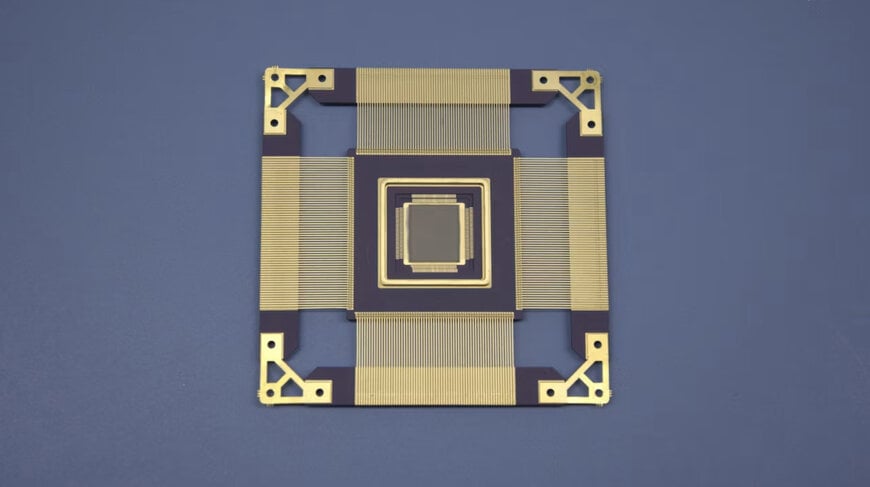
NanoBridge Semiconductor has adopted Siemens Precision FPGA Synthesis technology to support the development of its field-programmable gate array device families. The collaboration provides an optimized logic synthesis flow for engineers designing hardware for aerospace, automotive, and industrial automation applications.
Roles and the Industrial Challenge
NanoBridge Semiconductor develops non-volatile FPGA and memory systems for operating conditions that require strict power efficiency and hardware reliability. Siemens provides electronic design automation software for semiconductor manufacturing. The primary challenge in hardware engineering for extreme environments involves ensuring accurate logic translation without compromising the specialized physical characteristics of the chips. Through this cooperation, the companies establish a supported ecosystem that mitigates integration complexity for engineers utilizing niche programmable logic devices.
Technical Solution and Responsibilities
Through an original equipment manufacturer agreement, NanoBridge provides its customers with a customized version of the Siemens Precision FPGA Synthesis software. Siemens supplies the foundational logic synthesis platform, while NanoBridge ensures the algorithms are specifically calibrated for its NBS6503H and NBS1201 FPGA architectures. The integrated software maps high-level hardware description languages into an optimized gate-level netlist that matches the specific routing and logic block configuration of NanoBridge’s non-volatile technology.
Deployment and Implementation
The tuned synthesis tool is deployed directly to hardware developers as part of the standard NanoBridge design environment. This approach allows engineering teams to integrate the FPGAs into existing digital infrastructure workflows. By embedding the Siemens synthesis engine into the hardware provider's toolchain, users can execute logic verification and physical implementation phases using a unified, validated interface.
Applications and Expected Impact
This software-hardware integration targets sectors demanding high environmental resilience, including aerospace systems, secure elements, smart infrastructure, and automotive control units. Providing a dedicated synthesis pipeline allows design teams to achieve optimized gate utilization and layout efficiency on the target silicon. Measurable operational benefits include reduced compilation times, lower power consumption in the final circuit, and increased process stability during the hardware verification phase.
Edited by Natania Lyngdoh, Induportals editor, assisted by AI.
www.siemens.com
